

Shelving is no longer just about holding items in place. Across healthcare, pharmacy, and library environments in Australia, it has become a strategic part of how spaces function day to day.
As facilities face increasing pressure to operate efficiently, safely, and flexibly, shelving now directly influences workflow, compliance, and overall user experience. When designed well, shelving systems help staff work more productively, reduce mistakes, and adapt smoothly as service demands change.
Several factors are driving this shift. Space is becoming harder to come by, particularly in healthcare and education settings. At the same time, regulatory and infection control requirements are tightening, and sustainability expectations continue to grow. Together, these pressures are forcing businesses to rethink how their spaces are planned and supported. Shelving, once considered a background detail, is now a critical part of operational performance.
And this is where experienced storage partners make a measurable difference. IntraSpace draws on decades of Australian experience to deliver future-ready storage solutions that address these challenges with practical, compliant, and adaptable designs.
Key Shelving Trends Shaping 2026
As organisations plan for 2026, shelving trends reflect a shift toward flexibility, efficiency, and resilience. These trends are especially relevant in environments where space, hygiene, and accuracy are critical, including medical storage, pharmacy shelving, and library shelving applications.
1. Modular & Reconfigurable Shelving Systems
Modular shelving systems are becoming the standard for facilities that expect change. Rather than fixed installations, organisations are choosing systems that can be reconfigured as needs evolve, without major disruption or replacement costs.
This flexibility delivers clear benefits:
- Hospitals and clinics can adjust medical storage layouts as inventory volumes fluctuate, ensuring critical supplies remain organised and accessible at the point of care.
- Pharmacies can reconfigure pharmacy shelving to support vaccinations, compounding, or expanded retail services, without interrupting daily dispensing operations.
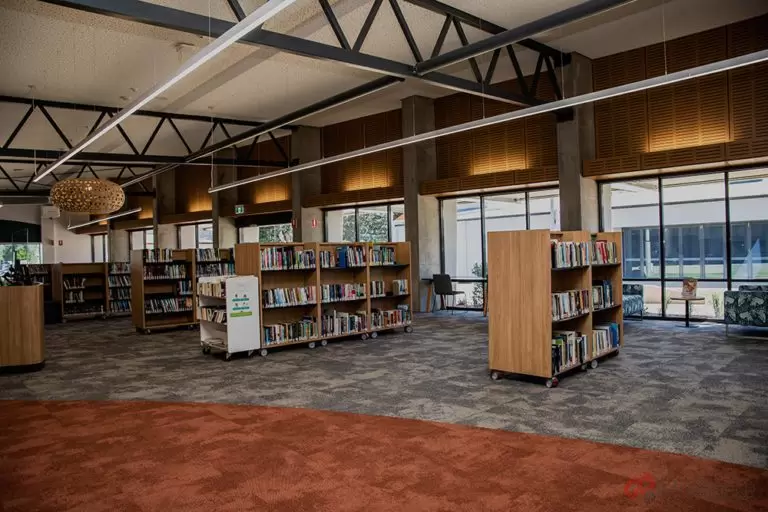
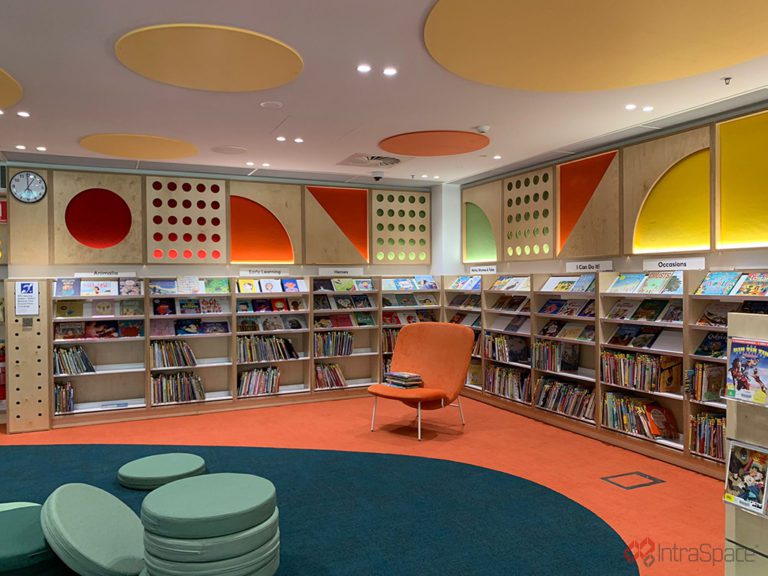
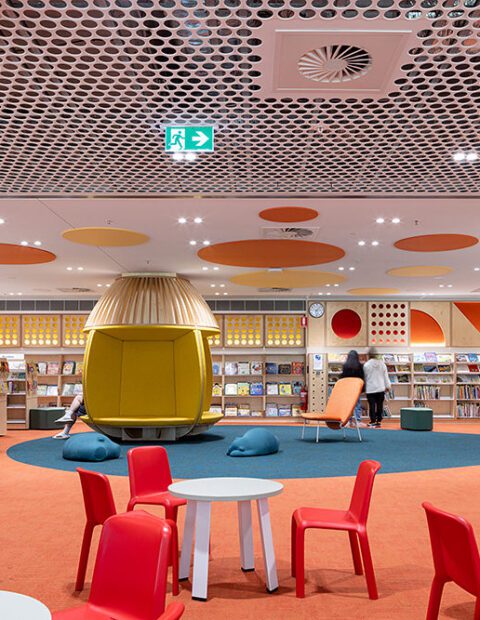
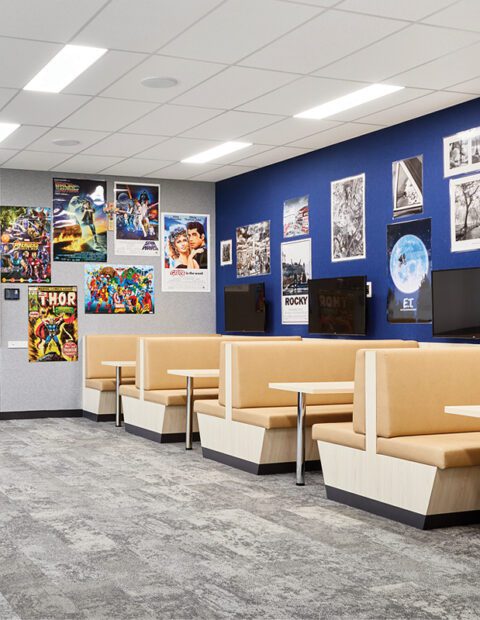
- Libraries can adapt library shelving to support mixed-use spaces, exhibitions, and community programs while maintaining efficient access to collections.
IntraSpace’s modular ranges and custom fit-outs are designed to evolve with changing operational needs. By combining robust construction, configurable components, and compliance with relevant Australian standards, these systems allow facilities to adapt layouts without compromising safety, durability, or day-to-day usability.
2. Space Efficiency in High Cost, High Density Environments
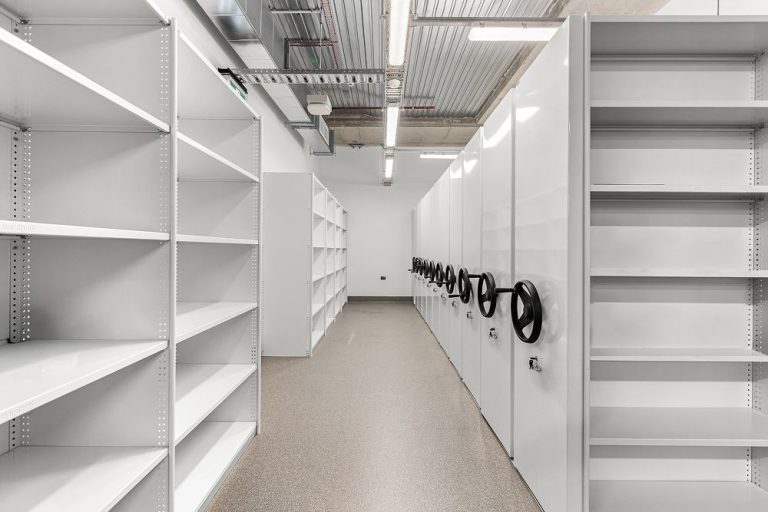
Space is one of the most valuable assets in healthcare, education, and government facilities. Compact and high-density shelving solutions are gaining traction, particularly where footprints cannot expand.
Common use cases include:
- Back-of-house medical storage in treatment rooms and clinical areas, where supplies must be stored close to the point of use without cluttering clinical workflows.
- Pharmacy stockrooms, where efficient pharmacy shelving supports fast dispensing, clear stock visibility, and accurate inventory management in limited spaces.
- Libraries managing library shelving alongside study zones and collaboration spaces, ensuring collections remain accessible while supporting modern learning environments.
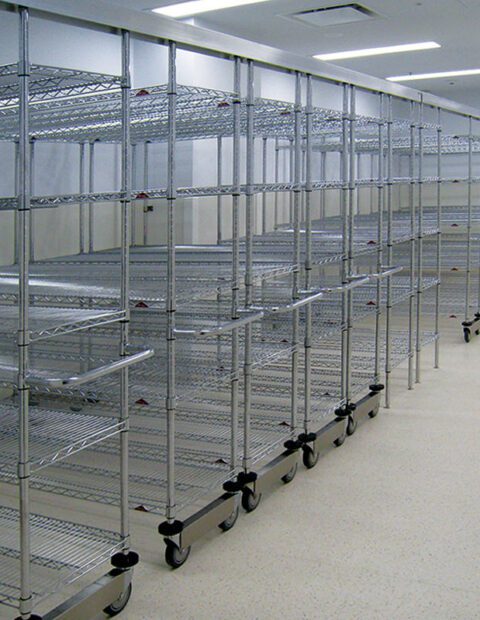
High-density shelving improves workflow by reducing retrieval times, minimising travel distances, and keeping frequently used items within easy reach. This allows staff to spend less time searching or moving between storage zones and more time focused on patient care, service delivery, or customer support, while maintaining appropriate safety clearances and ergonomic access.

3. Infection Control & Compliance Driven Design
Infection control has become a primary consideration in shelving design, particularly in healthcare and pharmacy environments. Materials and finishes must support rigorous cleaning protocols and reduce contamination risks.
Key design features must include:
- Smooth, non-porous surfaces that are easy to clean and disinfect, supporting routine wipe-down procedures without surface degradation.
- Reduced dust traps, joins, and moisture retention points that can harbour bacteria or compromise hygiene over time.
- Compliance with relevant Australian Standards and healthcare guidelines governing storage in clinical and pharmaceutical environments.
IntraSpace brings to the table extensive experience in delivering compliant medical storage solutions that balance infection control requirements with real-world usability. Our systems are designed to meet strict regulatory expectations while remaining durable, accessible, and practical for daily clinical operations.
4. Sustainable & Locally Manufactured Shelving
Sustainability is now a core procurement priority across Australia. Facilities are seeking shelving systems that offer durability, longevity, and reduced environmental impact.
Key trends include:
- Use of durable materials engineered for longer lifecycle performance, reducing the need for frequent repairs or replacements in high-use environments.
- Modular upgrade options that allow components to be reconfigured or replaced individually, significantly reducing waste compared to full system removals.
- A growing preference for Australian-made shelving, supporting local manufacturing, shorter supply chains, and compliance with Australian standards and procurement guidelines.
Beyond environmental benefits, sustainable shelving solutions deliver long-term cost savings by lowering maintenance requirements, minimising operational downtime, and extending the usable life of storage systems across multiple fit-out cycles.

5. Integration of Smart Storage & Technology
While fully automated storage remains limited, smart ready shelving is gaining momentum. Facilities are investing in layouts that support future technology integration without unnecessary complexity.
Examples include:
- Barcode-friendly shelving configurations that support accurate item identification, faster stock checks, and reduced dispensing or picking errors.
- Improved inventory visibility and audit readiness, helping staff monitor stock levels, expiry dates, and usage patterns more efficiently.
- Compatibility with digital tracking and stock management systems, allowing seamless integration as software and processes evolve.
For pharmacy shelving and medical storage, this approach supports accuracy, traceability, and compliance, while allowing organisations to adopt new technologies gradually without disrupting existing workflows.
What These Trends Mean for Key Sectors
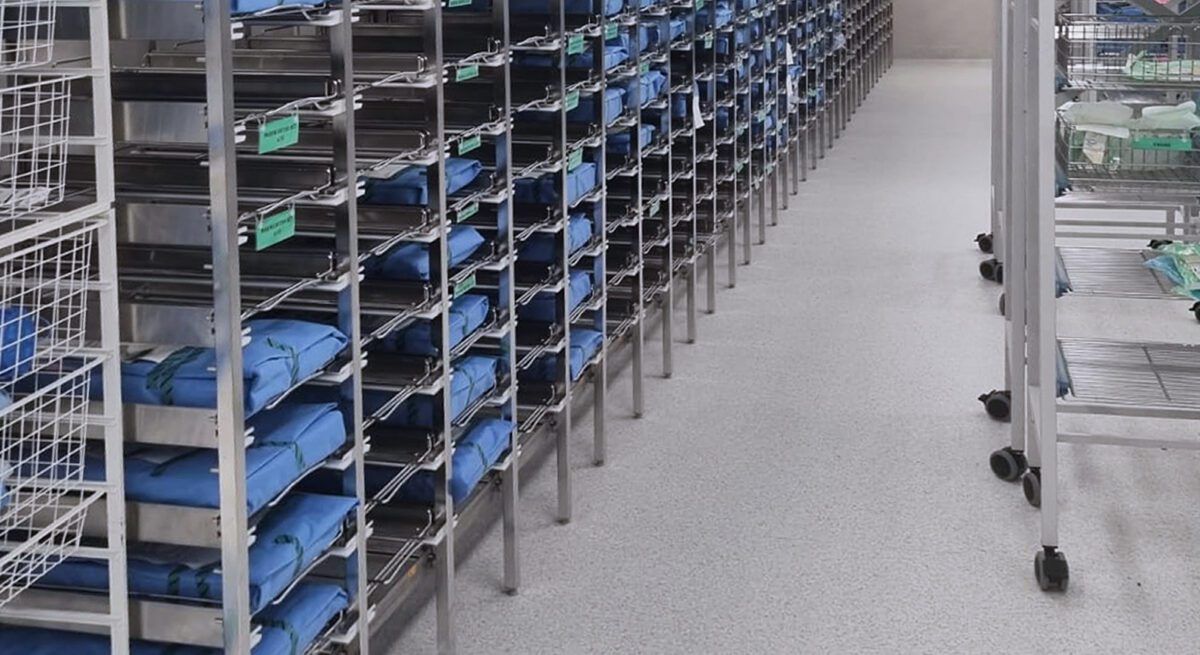
- Medical Storage Environments
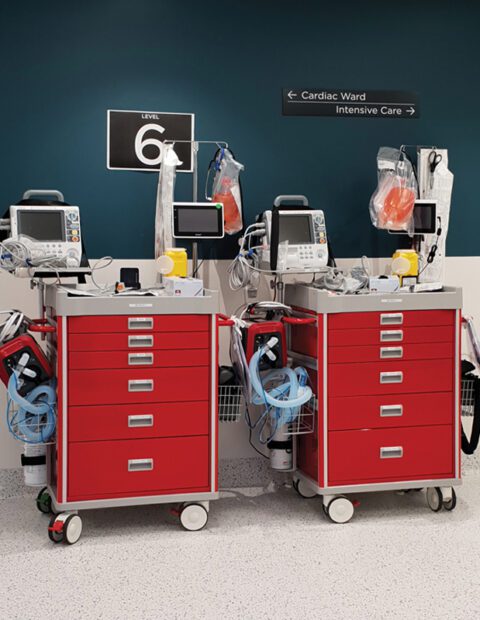
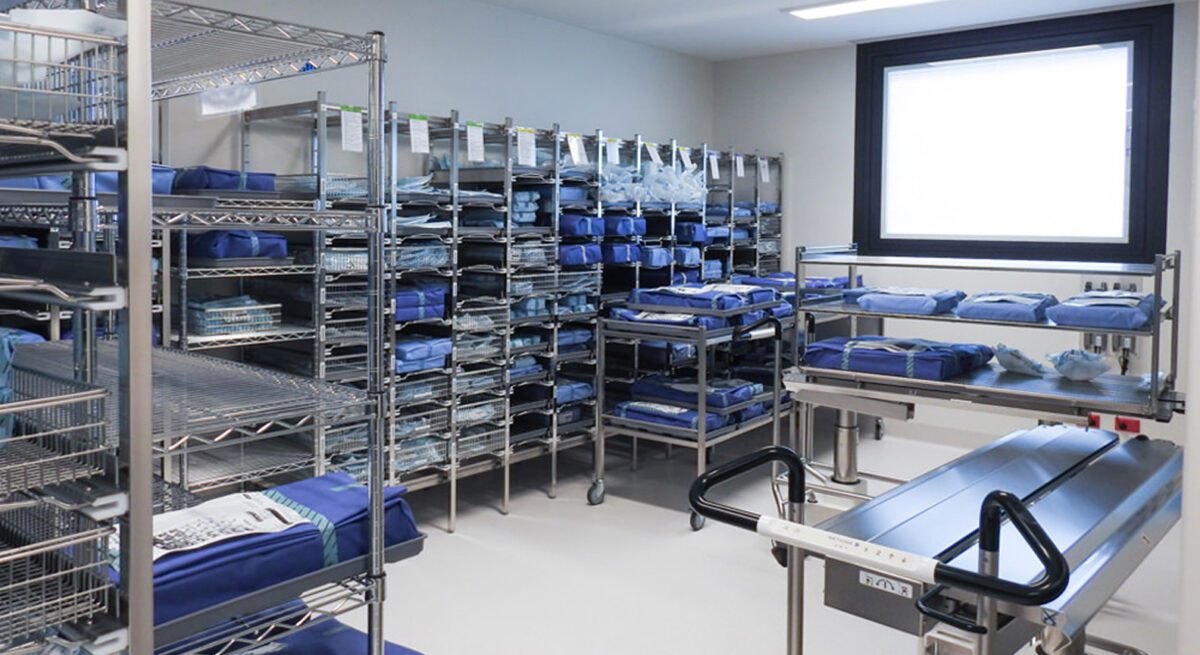
Healthcare facilities require shelving that supports hygiene, compliance, and scalability. Effective medical storage systems are designed around clinical workflows, ensuring supplies are accessible, organised, and easy to clean. Custom layouts reduce handling risks and improve efficiency across wards, treatment rooms, and back-of-house areas.
- Pharmacy Shelving & Dispensary Design
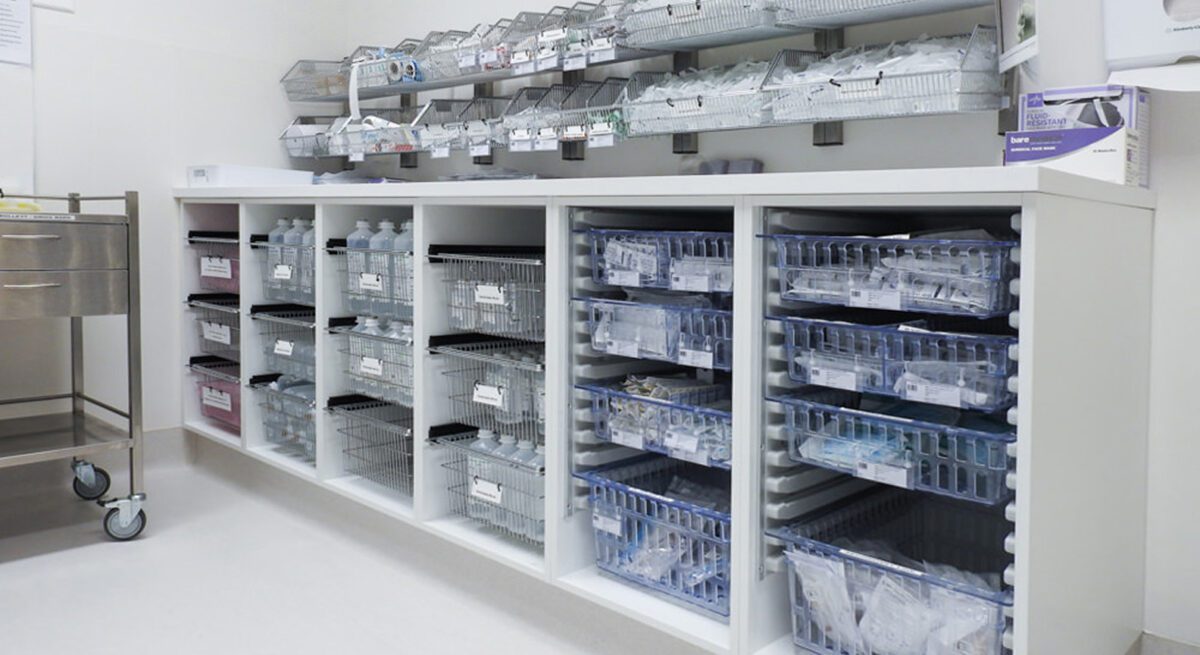
Modern pharmacies must balance fast dispensing with secure, organised storage. Well-planned pharmacy shelving supports accuracy, reduces clutter, and allows pharmacies to expand services without frequent refits. Flexible systems help future-proof dispensaries as regulations and service models evolve.
- Library Shelving in Education & Community Spaces
Libraries are transforming into flexible learning and community hubs. Adaptable library shelving supports evolving teaching models, digital integration, and community engagement. The ability to reconfigure spaces allows libraries to balance traditional collections with collaborative and technology-enabled zones.
- Planning for 2026: How to Future-Proof Your Shelving Investment
When upgrading or specifying shelving, early planning is essential. Key considerations include choosing flexible systems over fixed installations, ensuring compliance with Australian Standards, and evaluating long-term maintenance requirements. Engaging storage specialists early in refurbishments or new builds helps align shelving design with operational needs, safety requirements, and future growth. Thoughtful planning reduces costly retrofits and ensures shelving investments remain effective well beyond 2026.
CONCLUSION: Smarter Shelving Starts with the Right Partner

Shelving is no longer just a place to store items. It plays a direct role in safety, efficiency, and adaptability across healthcare, pharmacy, library, and government environments. The trends shaping 2026 closely reflect IntraSpace’s strengths in modular design, compliance, sustainability, and future-ready solutions. Working with experienced specialists helps ensure shelving systems deliver long-term value, reliable performance, and confidence as needs continue to evolve.
BOOK A CONSULTATION: Get Expert Advice on Smart Storage Solutions
Speak with our experts to assess your storage needs, identify opportunities for efficiency, and explore solutions that meet compliance, infection control, and space optimisation requirements. Whether you are planning a refurbishment or a new build, we’ll ensure you make an informed decision that saves time, reduces costs, and future-proofs your storage investment.