



Modern libraries have transcended their traditional roles as simple book repositories to become multi-purpose learning environments and essential community hubs. Within these dynamic spaces, library accessibility and navigation are no longer secondary considerations but are fundamental to the success of the facility.
The selection and implementation of modern library shelving systems directly influence regulatory compliance, user flow, and overall spatial efficiency. For facility managers and architects, understanding how to integrate these systems while adhering to Australian accessibility standards is critical.
This article explores how strategic library shelving systems serve as the backbone of an inclusive, high-performing library environment.
Designing for Universal Accessibility in Libraries
Accessibility begins with thoughtful spatial planning. Library users include people with mobility limitations, wheelchair users, elderly visitors, and students carrying equipment or study materials. Shelving layouts must therefore allow safe movement and comfortable access for everyone.
-
Allowing Adequate Aisle Width and Turning Space
One of the most important considerations is aisle width and wheelchair turning circles. Adequate spacing allows users to move freely between shelves without obstruction. Proper clearance also reduces congestion during busy periods and ensures that collections remain accessible to all visitors.
-
Designing Shelving Within Reach Ranges
Shelf height and reach range are equally important. Accessible shelving design ensures that commonly used materials are positioned within comfortable reach zones. Lower shelving heights or adjustable shelving systems allow libraries to maintain inclusive access while still maximising storage capacity.
-
Aligning Shelving Design with Accessibility Standards
Compliance with Disability Discrimination Act principles also influences shelving design. Libraries must ensure pathways remain unobstructed, signage is visible, and shelving structures do not create hazards.
-
Using Modular Shelving for Long-Term Accessibility
Adjustable and modular library shelving systems make this easier to achieve. Shelves can be repositioned as collections grow or accessibility standards evolve. This flexibility allows institutions to maintain high levels of library accessibility while ensuring that storage infrastructure remains practical for long term use.
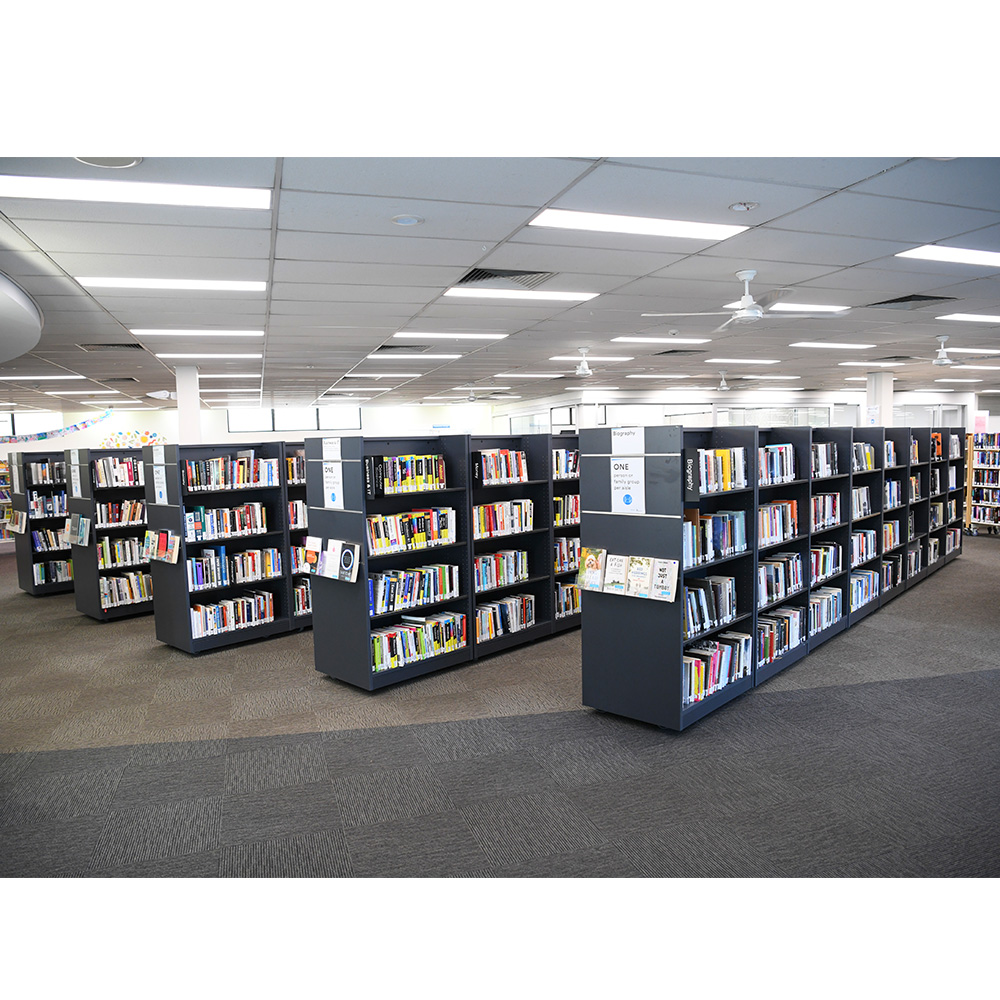
Improving Navigation Through Smarter Layout Planning
Navigation plays a critical role in the overall library experience. When users can easily locate collections and understand the layout of a facility, they spend less time searching and more time learning or researching.
Effective library wayfinding begins with logical zoning. Many libraries organise shelving areas into clearly defined sections such as fiction, non-fiction, study collections, archives, or special reference materials. This structured arrangement helps visitors understand the space quickly and reduces confusion.
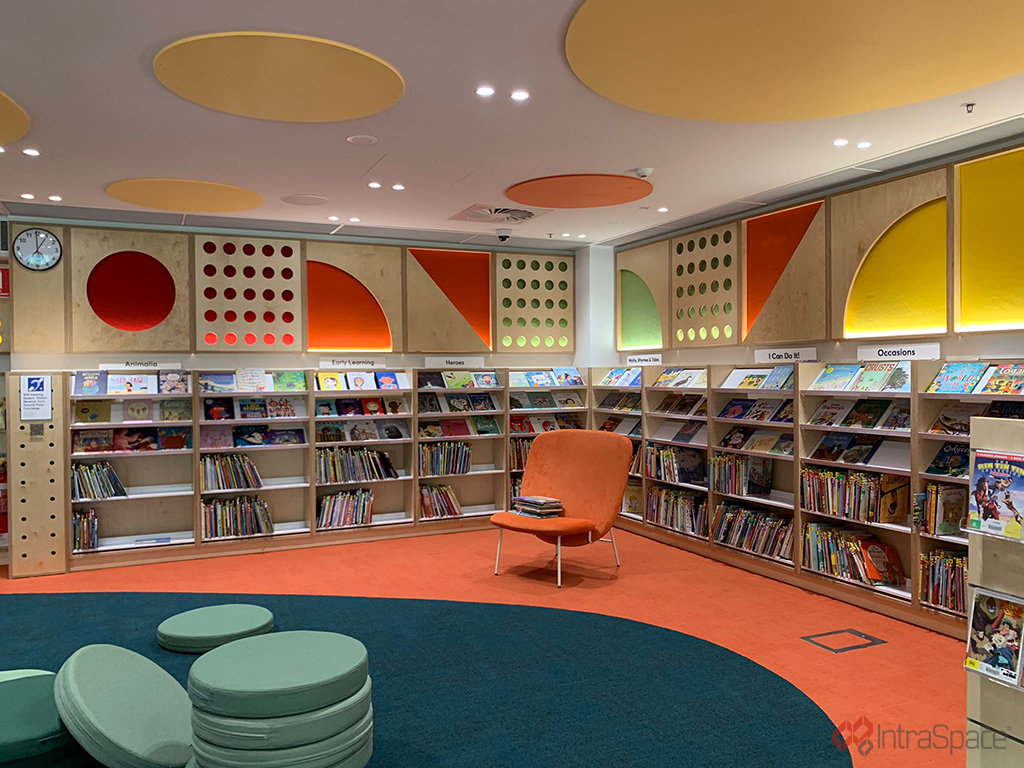
Shelving placement also affects sightlines. Open visual pathways allow visitors to orient themselves easily within the building. Low or strategically placed modern library shelving units help maintain visibility across reading areas and study zones.
End panel signage and clearly labelled bays further improve navigation. Shelving systems designed to accommodate integrated signage allow libraries to display category markers, call number guides, or directional information directly within shelving structures.
Colour-coded shelving sections or labelled bays can also assist users who rely on visual cues. When combined with organised layouts and uncluttered aisles, these strategies improve movement throughout the building.
Ultimately, well-planned library shelving systems reduce congestion, support efficient browsing, and make collections easier to locate.
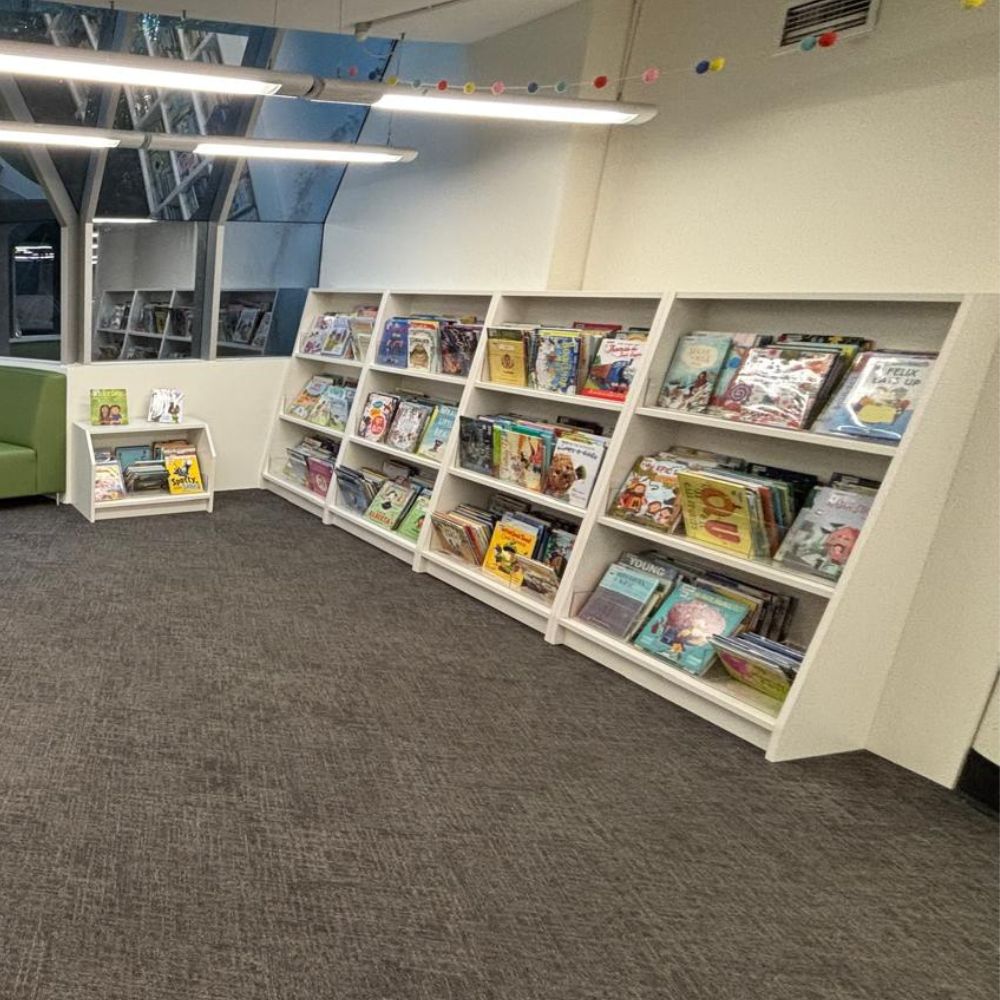
The Role of Mobile and Compact Shelving Systems
As library collections expand, space management becomes increasingly challenging. Many institutions must balance growing archives with the need to provide study areas, collaborative learning zones, and digital workspaces.
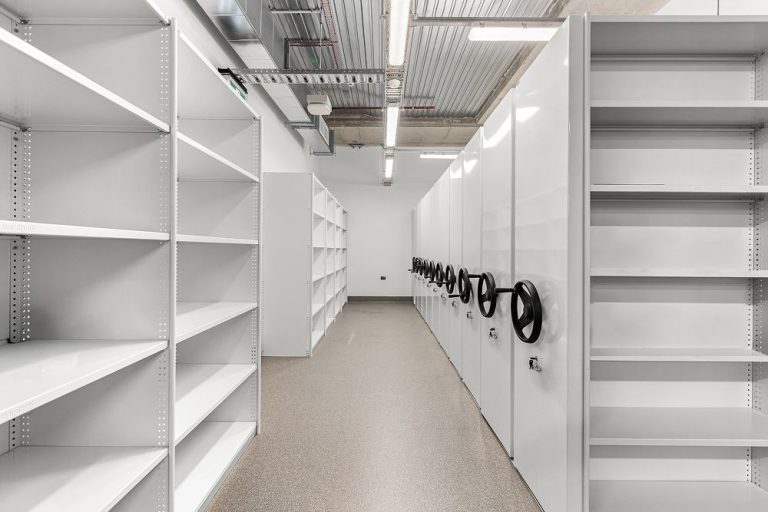
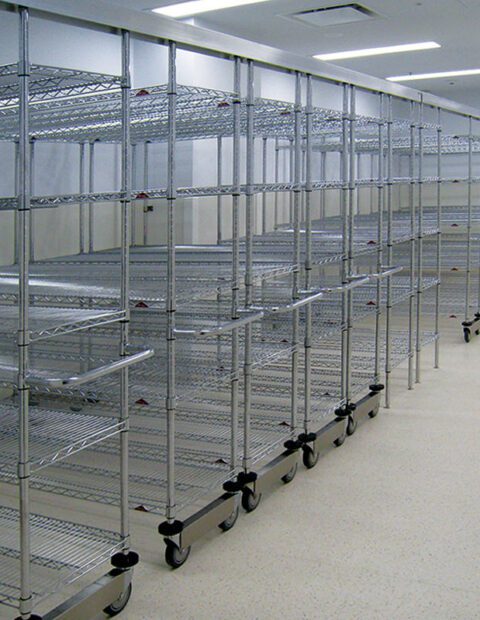
This is where compact shelving systems and mobile shelving library solutions become valuable. These systems allow shelving units to move along floor tracks, creating high-density storage that significantly increases capacity without requiring additional floor space.
High-density shelving is particularly useful for archival collections, historical materials, or rarely accessed research resources. Universities and research institutions often use mobile shelving library systems to store valuable documents while maintaining organised access.
By consolidating storage into compact areas, libraries can free up floor space for reading rooms, group study areas, or technology-equipped learning zones. This helps facilities remain flexible as educational needs continue to evolve.
Modern library storage solutions are also designed with user safety and accessibility in mind. Smooth mechanical movement, safety locks, and controlled access features ensure that compact systems remain practical for everyday use.
When incorporated strategically, compact shelving systems allow libraries to maximise storage while preserving valuable floor space for learning and collaboration.
For institutions planning upgrades, exploring specialised library fitout solutions and shelving options can support both operational efficiency and long-term collection management. Libraries seeking purpose-built shelving options can also review available solutions through IntraSpace’s Library shelving and Library furniture categories.
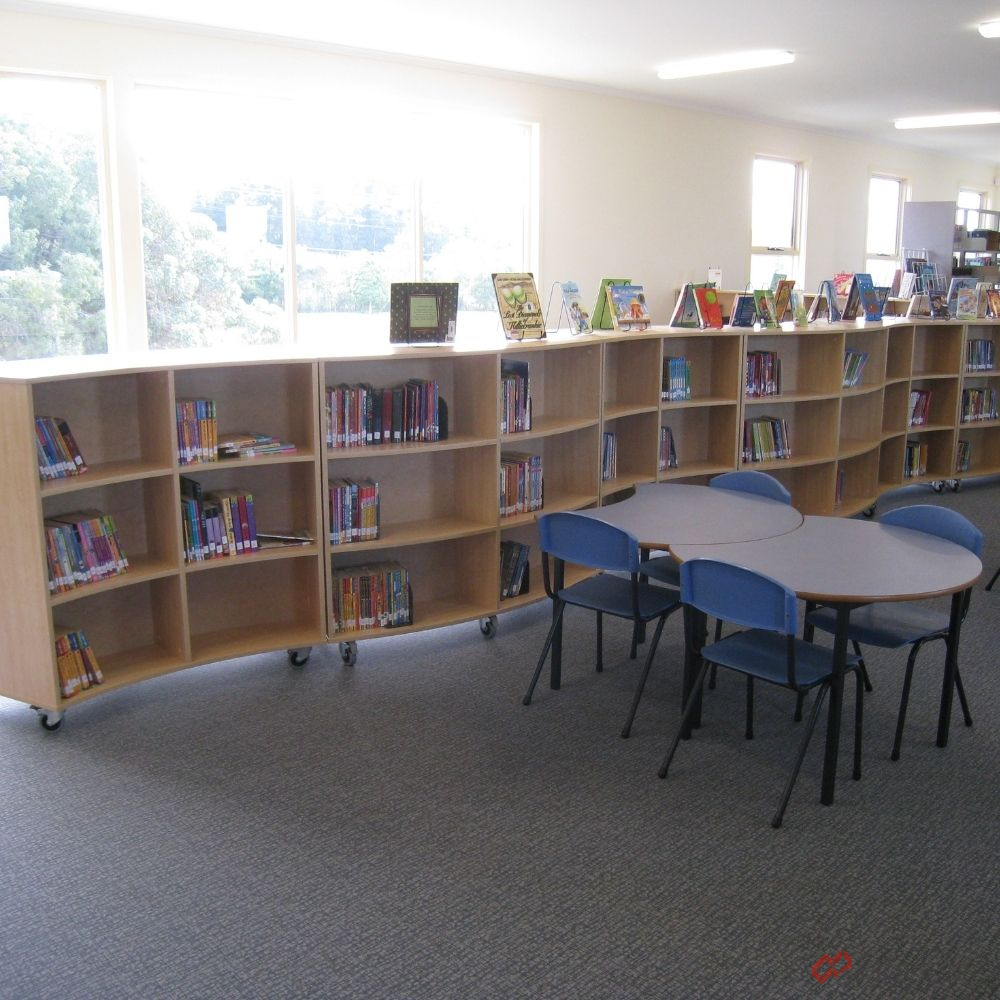
Supporting Modern Library Environments
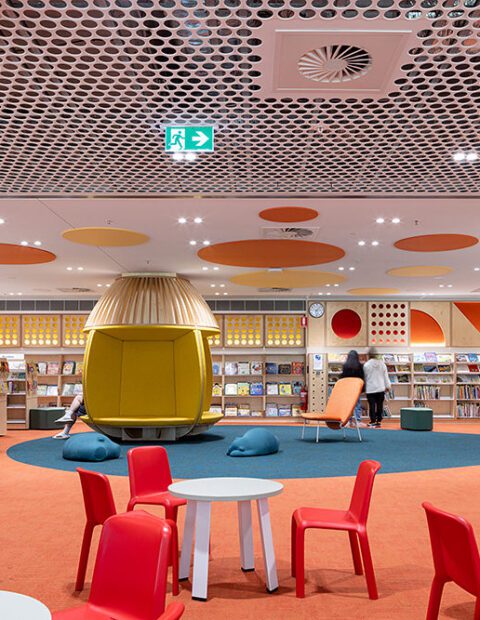
Modern libraries must support a wide range of activities beyond traditional reading. Students collaborate on projects, access digital resources, attend workshops, and participate in community programs within the same facility. To support these varied activities, library spaces require infrastructure that balances storage efficiency with flexible use.
-
Integrating Shelving with Collaborative Learning Areas
Shelving infrastructure must therefore integrate seamlessly with collaborative learning environments. Thoughtfully placed modern library shelving can help define spaces without creating barriers or restricting movement.
-
Designing Flexible and Reconfigurable Layouts
Flexible layouts are also important. Modular shelving systems allow libraries to reconfigure spaces when collections change or new study areas are introduced. This adaptability ensures the facility remains relevant as educational practices evolve.
-
Future-Proofing Library Fit-Outs
Future-proof design is another key consideration. Many library fitout solutions incorporate modular components that allow shelves to be expanded, relocated, or adjusted as collection sizes fluctuate.
-
Planning for Technology Integration
Technology planning also plays a role. Shelving placement should allow adequate space for power access, charging stations, and digital learning equipment positioned nearby.
By integrating adaptable library storage solutions, libraries can maintain organised collections while supporting modern learning environments that encourage collaboration, research, and flexible study.
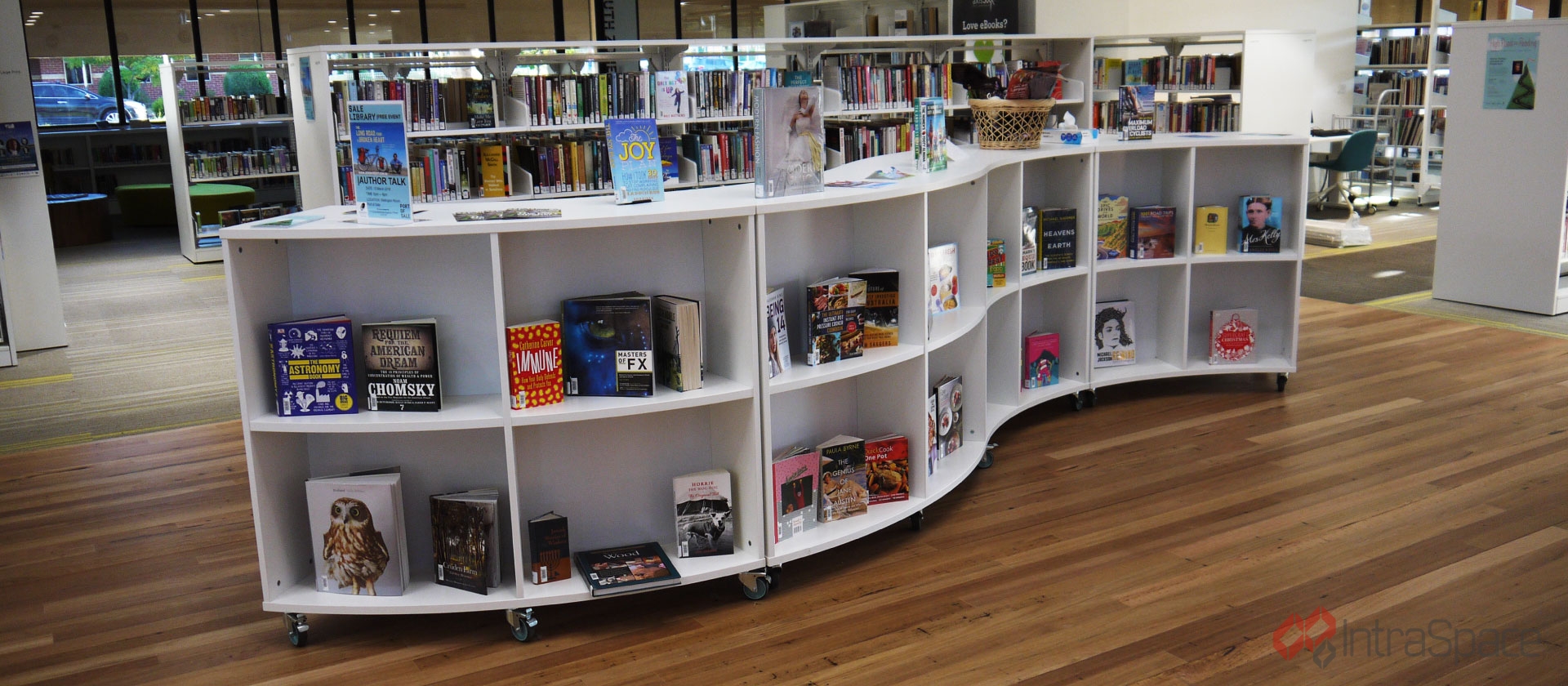
Compliance, Safety, and Durability Considerations
Shelving structures in libraries are long-term infrastructure assets. They must withstand constant use while maintaining structural integrity and safety.
One of the most important features is stability. High quality library shelving systems incorporate anti-tip designs that prevent shelves from shifting or collapsing when heavily loaded.
Load capacity is equally important. Libraries often store thousands of books, journals, and archival materials within each shelving unit. Shelving systems must be engineered to support these loads safely over time.
Fire safety and regulatory compliance are additional considerations. Many modern library shelving installations use materials that meet fire safety standards and contribute to overall building compliance requirements. Durability also affects maintenance costs. Powder-coated steel shelving and other low-maintenance materials reduce long-term upkeep while maintaining appearance and structural strength.
When evaluating library storage solutions, institutions should also consider lifecycle costs rather than only the initial investment. Well-built shelving systems often provide decades of reliable service, making them a cost-effective choice for public sector and educational facilities.

Planning a Library Fit-Out with Accessibility in Mind
Successful library upgrades begin with strategic planning. Accessibility, storage capacity, and user flow should all be considered during the early design stages of a project. Addressing these factors early can help guide libraries when planning accessible shelving layouts.
-
Engaging Shelving Specialists Early in the Design Process
Engaging shelving specialists early allows architects and facility managers to integrate library shelving systems into the broader building layout. This helps ensure circulation paths, shelving heights, and access zones align with accessibility requirements.
-
Measuring Circulation Paths and Planning for Peak Usage
Measuring movement paths and planning for peak usage periods is also important. Libraries experience high traffic during exam seasons, school hours, and community events. Shelving layouts must accommodate these fluctuations without creating congestion.
-
Planning for Future Collection Growth
Collections often expand over time, particularly in research institutions and universities. Modular library storage solutions allow additional shelving to be added without major structural changes.
Planning for adaptable library fitout solutions ensures that new shelving installations support both current needs and long-term operational flexibility. By addressing accessibility and navigation from the outset, libraries can avoid costly retrofits and create spaces that remain efficient and inclusive for years to come.
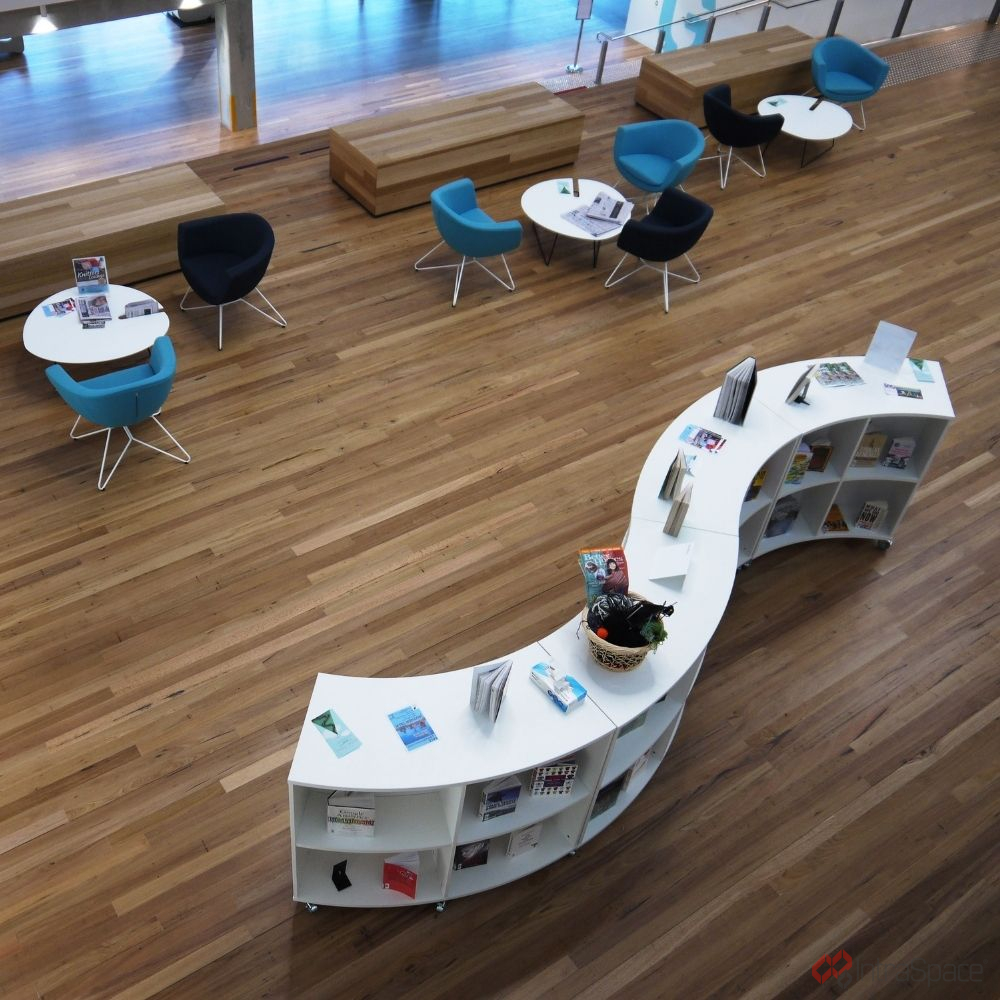
CONCLUSION: Strategic Shelving Planning Leads to Accessible Libraries
Modern libraries require infrastructure that supports accessibility, efficient navigation, and flexible use of space. Well-designed library shelving systems play a central role by improving storage capacity, supporting intuitive library wayfinding, and strengthening overall library accessibility.
By investing in adaptable modern library shelving, institutions can maximise spatial efficiency while meeting compliance and safety requirements. Strategic planning also ensures shelving infrastructure remains flexible as collections grow and user needs evolve.
BOOK A CONSULTATION: Get Expert Advice on Smart Shelving Systems
Speak with our experts to explore tailored shelving systems designed specifically for education and public sector environments. We’ll assess your space, identify opportunities to improve library accessibility and storage efficiency, and recommend solutions that meet compliance and long-term operational needs.